
Something has changed in the way women in Dubai talk about their hair appointments. It used to be “I’ve got a slot at the salon.” Now it’s more often “I’m going to see Simona.” The salon isn’t the point anymore. The person is.
That small shift in language is basically the whole story of the boutique salon.
If your friends have been trading the big glossy chains for smaller, quieter spaces, you’re not imagining it. Here’s what’s behind the move, and how to tell a good boutique salon from one that just looks the part.
What a Longer Appointment Actually Buys You
Time in the chair is the one thing a high-volume salon can’t really give you, because the model doesn’t allow for it. More chairs, more stylists, more appointments in a day. That’s a perfectly reasonable way to run a business, and it suits plenty of people, especially if you want a quick blow-dry before dinner.
Color is harder to compress. A proper consultation means looking at what’s already sitting on your hair, what it’s been through, and what it’s going to do over the next three months. That happens before anyone picks up a brush. Mixing a formula for your hair rather than pulling one off a shelf takes longer again. So does watching lightener as it lifts instead of setting a timer and coming back.
When the appointment is booked for ninety minutes and the work genuinely needs two and a half hours, something has to give. It’s almost always the consultation, because it’s the only part that doesn’t visibly show up in the result on the day.
What Actually Makes a Salon Boutique
The word gets used loosely. Small room, warm lighting, ceramics on the shelf. That’s decor, not philosophy. The salons that mean it tend to share a few things:
- A small senior team rather than a rotating roster of juniors
- Appointments booked long enough to include a real consultation
- Color mixed for your hair, not chosen from a standard menu
- Notes kept, so your stylist remembers what you asked for last time
- A room that feels calm rather than clinical
The last two matter more than people expect. Continuity is usually the reason boutique clients stay for years instead of shopping around every season.
Inside FRQNCY
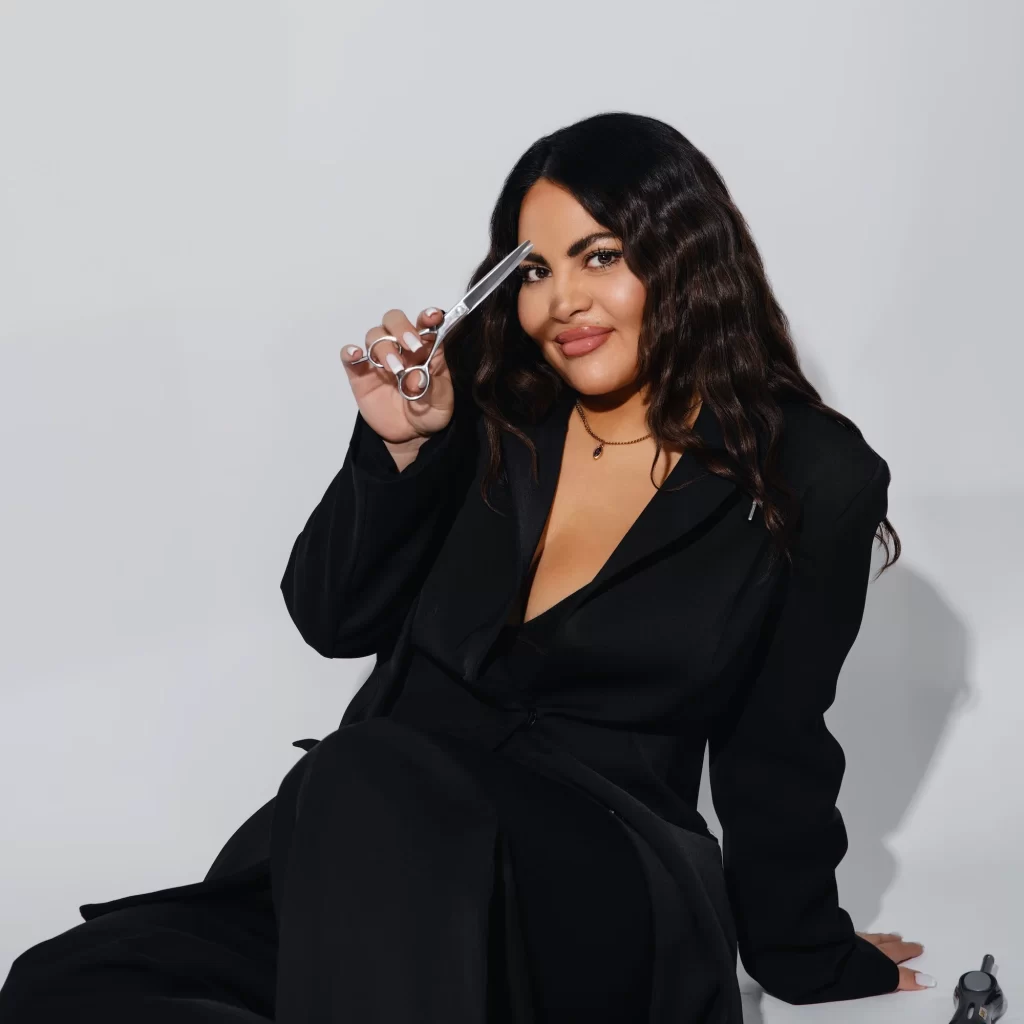
FRQNCY sits inside Danube Resortz in Arjan. Simona opened it around a fairly simple idea: that technical hairdressing and actually caring about the person in the chair don’t have to be traded against each other. There’s more on her background and how the space came together on the About Us page.
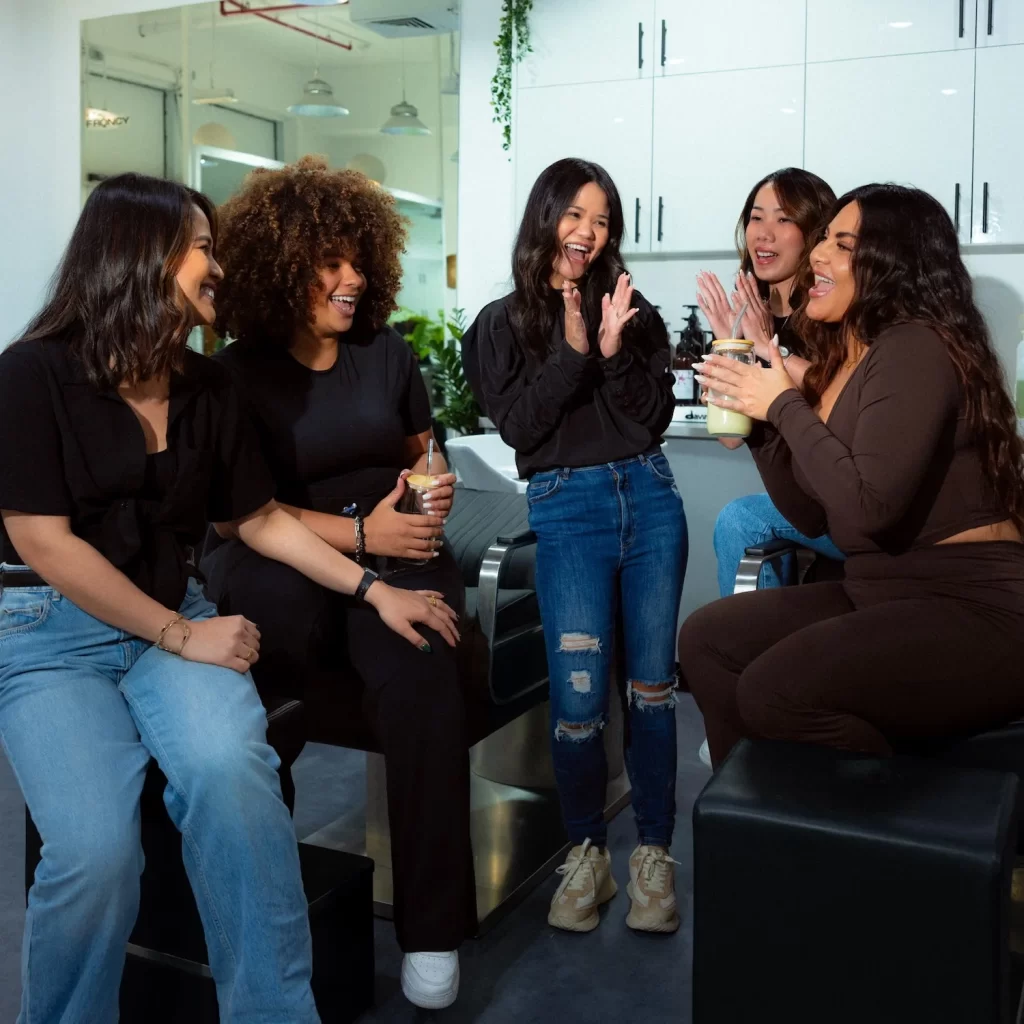
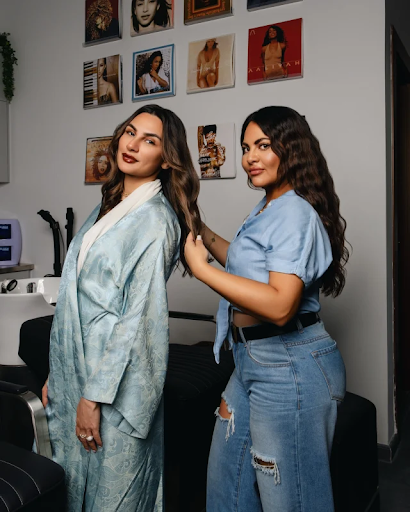
The details give it away before the haircut does. Plants where most salons put a product wall. A team small enough that your colorist knows your hair’s history rather than your last invoice. Appointments that don’t overlap.
Clients tend to mention that attentiveness long before they mention any particular technique.
Where It Shows Up in the Work
Two services make the case better than the rest.
Curly and textured hair is the clearest one. Dry-cutting curls means cutting each section as it actually falls, curl by curl, then watching the shape as it dries and adjusting. There’s no way to hurry it and no way to standardise it, which is why textured hair so often gets handled badly at volume. The curly team at FRQNCY is trained specifically in dry-cutting and coloring wavy, curly and coily hair.
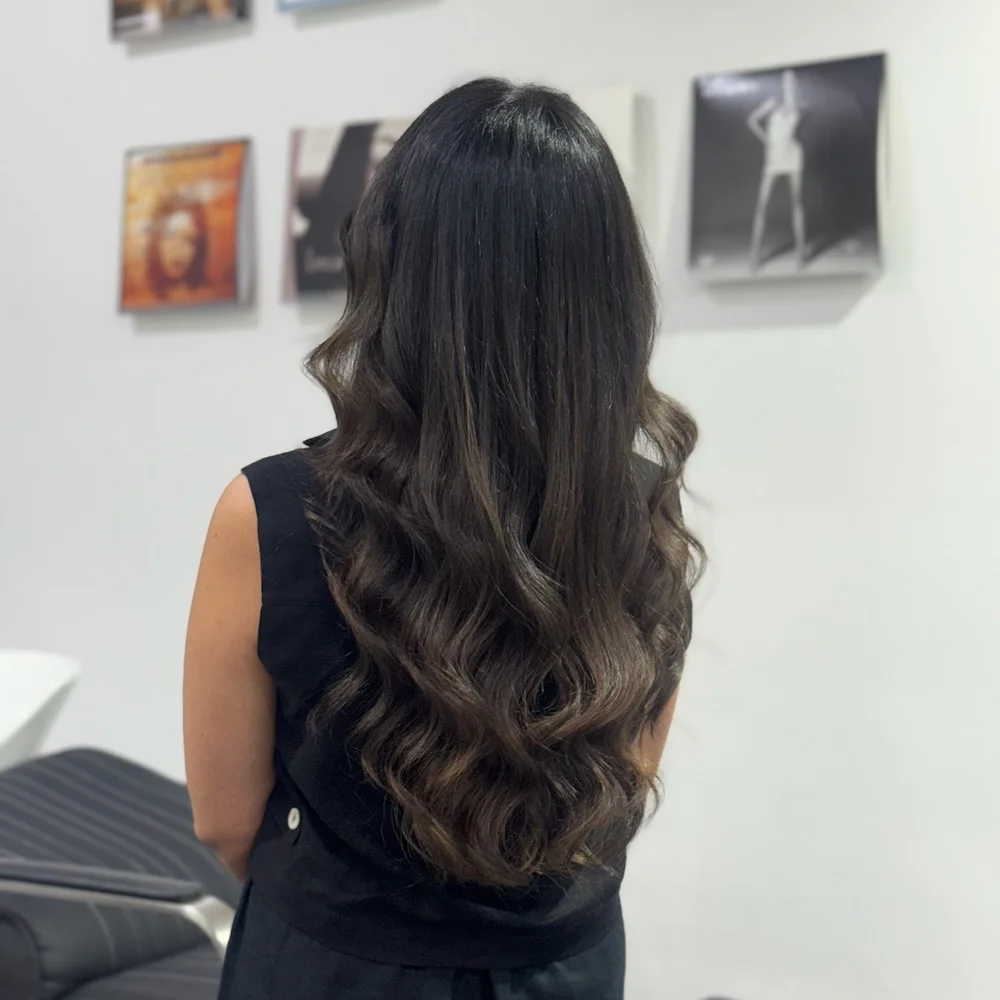
Blonde is the other one. Lightening is unforgiving when it’s rushed, and the difference between blonde that looks expensive and blonde that looks brassy usually comes down to decisions made in the last twenty minutes, when somebody is watching the hair rather than the clock. The same logic applies to lived-in balayage, where the placement has to account for how the color will grow out over the following months, not just how it photographs on the day.
How to Choose One
Not every small salon is a good one. Four questions will tell you more than any Instagram grid:
- Will you see the same stylist every visit, or whoever happens to be free?
- Is the consultation a conversation, or five minutes of nodding?
- Does the team specialise in something specific, or claim to do everything?
- Does the space feel considered, or just small?
If a salon can answer all four without hesitating, that’s usually enough to go on.
Frequently Asked Questions
Are boutique salons more expensive than big chains?
Usually a little, yes, though you’re paying for a longer appointment, a senior stylist doing the work rather than supervising it, and color mixed for your hair. Measured per hour rather than per visit, the gap is smaller than it looks.
Is a boutique salon better for a first-time color client?
Often, yes. First-time color and color correction both live or die on the consultation, and that unhurried assessment of your hair’s condition and history is exactly what a smaller salon is built to give you.
Is a boutique salon the same as a luxury salon?
Not quite. Luxury tends to describe the finish, the interiors, the products and the address, while boutique describes the scale and how the salon actually runs, so a place can easily be one without being the other.
Worth the Extra Half Hour
The salons holding on to their clients for years aren’t the ones with the most chairs. They’re the ones where the appointment feels like it was planned for you specifically, and where somebody remembers what you said last time.
If that’s what you’ve been looking for, you can book at FRQNCY in Arjan, or browse the full services menu first.